Creative, Unstoppable Domain Name Ideas That Will Make Your Property Stand Out
Stand out in Web3! Get creative with unstoppable domain names and build a powerful, memorable online presence.

Web3 has a way of pulling in anyone who's curious about where the internet is headed next, and keeping up with the technology reshaping it is becoming less of a niche interest and more of a practical skill. Unstoppable Domains is one of the more established names in that shift it sells crypto domains that give you a secure, portable identity for the Web3 world. But owning a crypto domain is only half the equation. The other half is picking a name that's actually worth owning. Let's get into both.
Why Crypto Domains Are Worth Paying Attention To
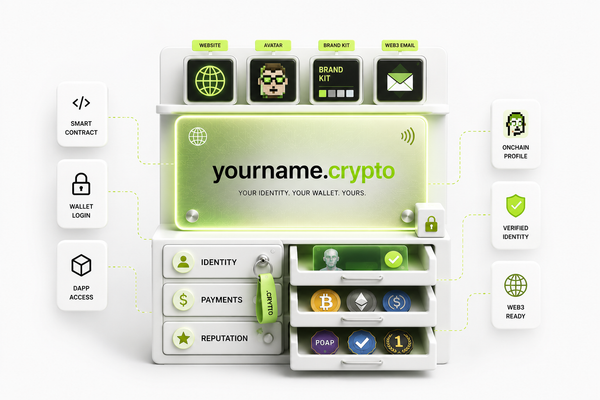
Web3's whole pitch is a more secure, transparent internet that doesn't run through centralized middlemen a decentralized web built on blockchain rather than handed down by a handful of gatekeepers. As that vision plays out, traditional domain names are slowly being joined (not replaced, at least not yet) by crypto domains, which hand full control of your digital identity back to you.
Unstoppable Domains has positioned itself at the front of that shift, offering portable, user-owned domains with integrations across hundreds of wallets, browsers, and apps Brave, Trust Wallet, MetaMask, Coinbase Wallet, and OpenSea among them.
How to Actually Register One
Here's the process, step by step:
- Go to the Unstoppable Domains website.
- Sign up or log in. You can create an account directly or log in through Google, Twitter, MetaMask, Brave, or Trust Wallet.
- Search for the name you want. Type it into the search bar, or browse available options if you're not sure yet. Since every name has to be unique, be ready to try a few variations before you land on one that's free.
- Pick a blockchain and an extension. Ethereum is the default, but minting on Polygon is gas-free, which makes it the more budget-friendly option for most people. From there, choose an extension .crypto, .nft, .wallet, and a handful of others are all on the table, each with its own price and feel.
- Add it to your cart and check out. Once you've settled on a name, blockchain, and extension, move to checkout.
- Review your order and pay. Unstoppable Domains accepts both crypto (Bitcoin, Ethereum, and others) and standard credit or debit cards. Follow the prompts to finish the payment.
- Connect your wallet. Link a wallet like MetaMask, Trust Wallet, or Coinbase Wallet so you can securely manage the domain going forward.
- Claim your domain. Head to "My Domains" in your account, find your purchase, and hit "Claim" to transfer it into your connected wallet. This usually only takes a few minutes.
- Set it up. Add cryptocurrency addresses so people can send you payments using your new domain, and connect it to a decentralized website if you want it to double as a URL.
- Share it. Once everything's configured, your domain is ready to use for payments, for logins, or as a link to your decentralized site.
Turning a Domain Into an Actual Brand
A domain name is also, often, the first thing people learn about your brand. So it's worth treating the naming process with a little more intention than just typing the first thing that comes to mind into the search bar.
Know who you're talking to. Get specific about the audience you're trying to reach their age range, interests, what they already care about and let that shape the name rather than guessing in a vacuum.
Figure out your brand's personality first. Is it playful? Serious and trustworthy? Bold and a little irreverent? Jot down words and values that capture that personality before you start generating actual name candidates it gives you something to filter against later.
Lead with what makes you different. Whatever sets you apart from everyone else doing something similar, your name should at least hint at it, even loosely. A name that says nothing about your actual offering is a wasted opportunity.
Where Good Names Actually Come From
A name that blends into the background doesn't help anyone remember you. A few approaches that tend to produce something more memorable:
- Mash words together. Brainstorm terms tied to your brand and see what combinations feel natural rather than forced.
- Play with puns and wordplay, if it fits your brand's tone a little cleverness goes a long way toward making a name stick.
- Try rhyming. Names with a bit of rhythm are easier to recall than flat, literal ones.
- Borrow from mythology, literature, or pop culture there's a reason so many brands lean on references people already have an emotional connection to.
- Look at other languages. A foreign word or phrase that captures your brand's meaning can add some texture without being gimmicky.
- Keep it simple. Avoid anything that requires explanation to spell or pronounce including to yourself, six months from now.
- Watch the length, and your budget. Shorter names are easier to remember, but they're also pricier. If your first choice is out of reach, adding a relevant word or a couple of numbers can get you something close for less.
- Stay consistent across platforms. If you've already got a recognizable handle on Twitter, Discord, or OpenSea, using the same name for your crypto domain makes you easier to find and keeps your presence cohesive across Web2 and Web3.
Testing Your Shortlist Before You Commit
Once you've got a handful of options, get some outside opinions before you lock anything in.
Talk to a few people directly potential customers if you can manage it and ask what comes to mind when they hear each name. A short survey works too if you want a wider sample. Say each name out loud a few times; awkward letter combinations and silent letters tend to reveal themselves quickly that way. Ask a friend to repeat the names back to you and see where they stumble. And pay attention to the emotional reaction each name gets does it feel like strength, trust, creativity, whatever you're going for, or does it just feel flat?
Don't Skip the Legal Check
Falling in love with a name before checking whether you can actually use it is a classic, avoidable mistake.
Run a trademark search (through an official database or a trademark attorney) to make sure you're not stepping on someone else's existing rights. Confirm the matching domain is actually available, since a name without a matching web presence creates unnecessary friction for anyone trying to find you. And if you're running a registered business, check your local rules around business names too they vary by location, and getting this wrong after you've already launched is a much bigger headache than catching it beforehand.
Making the Final Call
By this point you've brainstormed, gathered feedback, and run the legal check so the decision itself should be the easy part.
Go back to the feedback and weigh it against your own gut sense of the brand. Make sure whatever you land on actually reflects your values and what makes you different, not just whatever tested best in isolation. And once you've picked it, don't sit on it announce it, put it on your marketing materials and social profiles, and start using it everywhere your brand shows up.
Final Thoughts
As more of life moves into Web3, owning your digital identity outright is becoming less of a novelty and more of a basic precaution. A crypto domain gives you that, but the name itself is what makes it actually count it's the first impression, the thing people remember, and in a real sense, a small stake in how the next version of the internet gets built. Take the time to get it right, and you'll have something that works a lot harder for you than a name picked in a rush ever could.